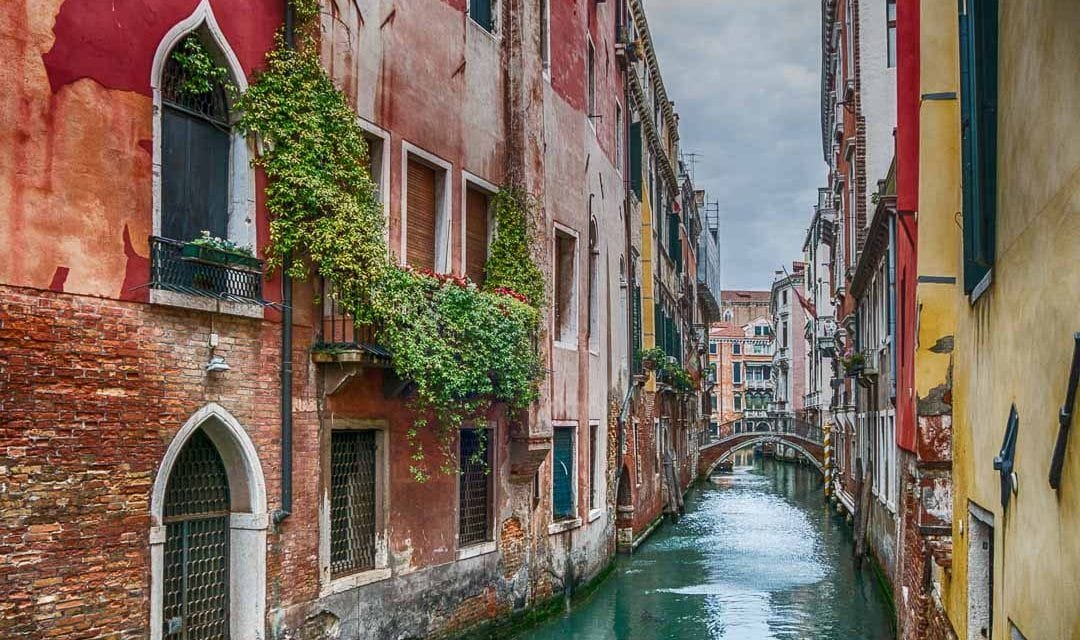
Discover the beauty of mysterious Venice in winter, before it gets flooded with tourists, and save some cash while you're at it. You won't regret it.
Venice is one of the most visited cities in Italy—and in all of Europe. And it's no wonder, because its beauty is truly one of a kind and breathtaking.
However, the crowds of tourists sweeping through its streets and canals throughout the year can easily make you hate the whole experience of visiting.
Today, my goal is to help you fall head over heels for it, without suffering the downsides of its worldwide fame, all while saving a few euros. To do that, here are three essential tips you can follow:
- Visit during the low season.
- Wander around after dark and/or wake up early to catch the sunrise.
- Get lost in its less touristy, more authentic neighborhoods or quartieri.
Next up, I'll dive into these points and give you my best tips to make the most of your trip at a relaxed pace.
When to go: low season

Venice is always flooded with tourists. No matter when you go, they'll be there. But there are certain times of the year when the crowds are so overwhelming that your trip can turn into a total nightmare.
This is especially true during spring, as the weather is milder. In summer (June, July, and August), on top of thousands of tourists, you'll face temperatures that are way too high to actually enjoy the city. So please, do yourself a favor and avoid those months.
In October, November, and December, the city gets a bit quieter, although this is the rainiest time of the year in the region and 'acqua alta' situations are quite common—many streets and squares get flooded due to rising water levels in the lagoon. When this happens, raised wooden walkways are set up in the main areas to help people get around.
The magnificent Venice Carnival with its famous masks, in February, is also high season. It's truly a sight to behold, but the crowds will undoubtedly be overwhelming. It's also wise to avoid national holidays like April 25th (Liberation Day), June 2nd (Republic Day), or August 15th (Ferragosto), along with religious holidays (Easter, etc.).
My personal recommendation is to visit during January, February, and early March, steering clear of major dates. That way, you'll easily trade off the unpredictable weather for far fewer crowds and much cheaper prices overall. To give you an idea of what the weather can be like, the photos in this blog post were taken during our trip in early March 2016.
What to pack for the low season
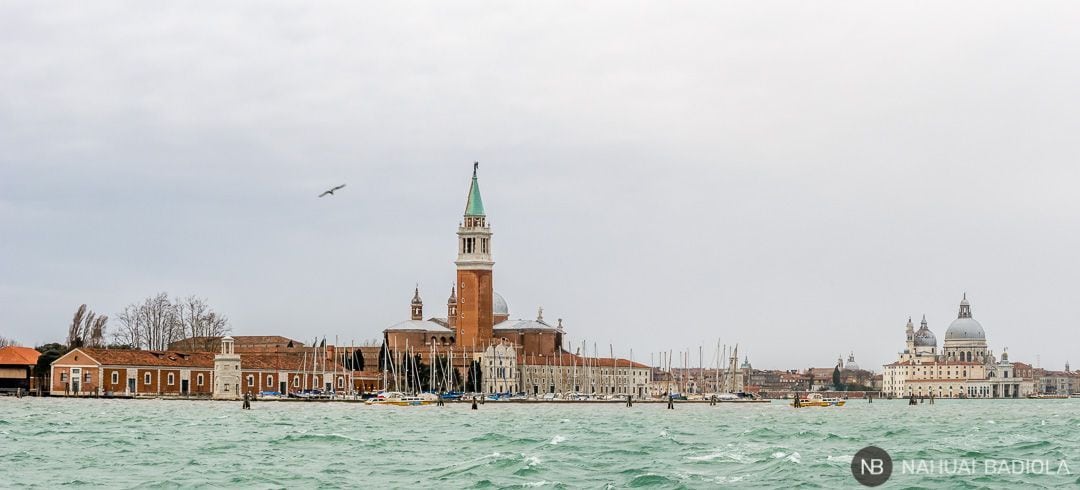
During these winter months, temperatures are chilly and the air is humid. While they aren't the wettest months of the year, you might still run into gray days, rainstorms, and the occasional 'acqua alta'. So make sure to pack plenty of warm clothes, a raincoat or umbrella, and waterproof footwear (like rain boots, Gore-Tex boots, or something similar).
How to get there
If you're traveling from outside Italy, you might arrive by plane or cruise ship. I strongly advise against the latter. Arriving on a ship packed with thousands of tourists into such a tiny city means you can kiss goodbye to enjoying it peacefully without crowds. Pretty much none of the tips I'm sharing will work in that case, unless you manage to escape to the least touristy parts of Venice.
If you fly into Marco Polo Airport, you can take the local bus (line 5) or the blue ATVO bus, which is much faster. Both drop you off at Piazzale Roma, tickets cost around €6, and you can buy them right at the airport. You also have the option to take a water bus with Alilaguna to 'Piazza San Marco', which is a bit pricier. Or you can take a water taxi, though it's quite expensive unless you're in a large group (around €100 for the trip).
If you land at Treviso Airport, which is much farther away than Marco Polo, your best bet is buying a bus ticket when you arrive with either ATVO or Barzi Service. Both offer similar prices and schedules, but the travel time differs. Barzi Service is great here because it takes the highway.
Haven't booked your flights yet? Take a look at the deals on these search engines: Trabber, eDreams, and Momondo.
I recommend starting your search on Trabber because the price it shows is final (it includes card fees and other extra costs). That said, always compare the results across the other sites too.
You never know who will have the best deals! 😉

If you're arriving by car, you'll have to leave it at the Piazzale Roma parking garage, since Venice does not allow wheeled vehicles (bicycles included!). This will set you back €24–29 a day depending on the size of your vehicle. You can find more info on this page.
In my opinion, the best way to travel to Venice if you're already in Italy is by train. If you know your travel dates well in advance, you can save a ton by booking economy or super-economy tickets online on the official Trenitalia website.
Trains work great in Italy, though you might still run into the occasional delay. The good news is that if a train delay causes you to miss a connection, they'll assign you to the next train heading to your destination at no extra cost. Just head to the station ticket office with your brightest smile and be polite. Relax and remember—you're on vacation!
How to get around

My personal recommendation: walk. Stroll through the streets; it's hands down the best way to explore the city and not miss any of its little details.
If the idea of cruising along its canals sounds too tempting to pass up, you have four options.
- The most expensive, romantic, and iconic option is booking a private tour (the price varies depending on the duration) on a gondola. If you're trying to travel on a budget, skip this unless you're up for joining a small group (6–8 people).
- Taking a water taxi is the fastest way to get from point A to point B, but it's definitely pricey compared to the public transport options below.
- Buying a €7 ticket to ride the vaporetto, which is basically the water equivalent of a city bus. It's the most popular choice among tourists, since you can use it not only to cruise the Grand Canal, but also to visit other islands in the lagoon like Lido, Murano, or Burano. You can check the vaporetto routes here.
- A traghetto is a slightly larger gondola that ferries passengers across the Grand Canal at spots where there are no bridges. They only run during normal working hours, the crossings are quick (2–3 minutes), and they cost very little (€1 or €2 each way). They're mainly used by locals—you'll recognize them because they ride standing up! If you want the gondola experience without breaking the bank, this is your best bet.
Where to sleep

Accommodation inside Venice is quite pricey, though rates drop in the low season. You can always stay on the mainland in an area called Mestre. You'll save some money this way, but you'll have to rely on train schedules to get back to your room at night.
That said, at least once in your life, it's totally worth staying right in the city to enjoy late-night or early-morning walks, when the streets clear out and the canals take on a mysterious, magical vibe. If you're lucky, you'll see the mist slowly rising from the lagoon to reveal the majestic Venetian palaces first thing in the morning.
You can find reasonably priced places if you book well in advance for the winter months. We stayed at Hotel Río Venice in the Santa Croce neighborhood, which is fairly quiet when it comes to tourist crowds. In the low season, you can find a double room for €70–80 a night—a real steal for Venice.

The place was recently renovated, so it feels fresh and new, with spacious rooms, comfy beds, and spotless cleanliness. While they don't serve a hot breakfast, they do provide basics (cookies, cereal, bottled juices, a coffee maker, toast, etc.) so you can put together a simple breakfast. You can easily supplement it by picking up some milk, fresh bread, or pastries. They offer three rooms with external private bathrooms.
Overall, it's 100% recommended and offers great value for money. The only downside is that the locks on the room and bathroom doors are quite noisy. Other than that, it's absolutely perfect.
Our first booking, at B&B Abatea, located in the San Marco quartiere, was canceled without a valid reason by the B&B owners a month before our trip. We would have lost a lot of money if we hadn't booked through Booking.com, as they were the ones who stepped in and got the B&B to offer us a second option for the same price/conditions. They offered us Hotel Rio Venice at the same rate, though, since its location wasn't quite as central, we managed to bring the price down a bit. Next time, I'll book directly at Rio Venice, as the customer service from B&B Abatea could definitely have been better, in my opinion.
What to see
How to even begin answering this? I don't think even a lifelong Venetian has uncovered every single magical corner hidden away in this city. My number one tip:
Get lost
Of course you'll want to see everything that has made Venice famous, the top tourist spots, like the San Marco quartiere. But if you really want to be amazed and fall head over heels for it, just go with the flow.
Don't look at the map, just follow your feet, take narrow bridges, wander down winding alleys, with no clue what you'll find just around the corner.
These are the walks that will make your eyes go wide, your jaw drop, and make you gasp, "whoa!", "wow!", or "look at that!"
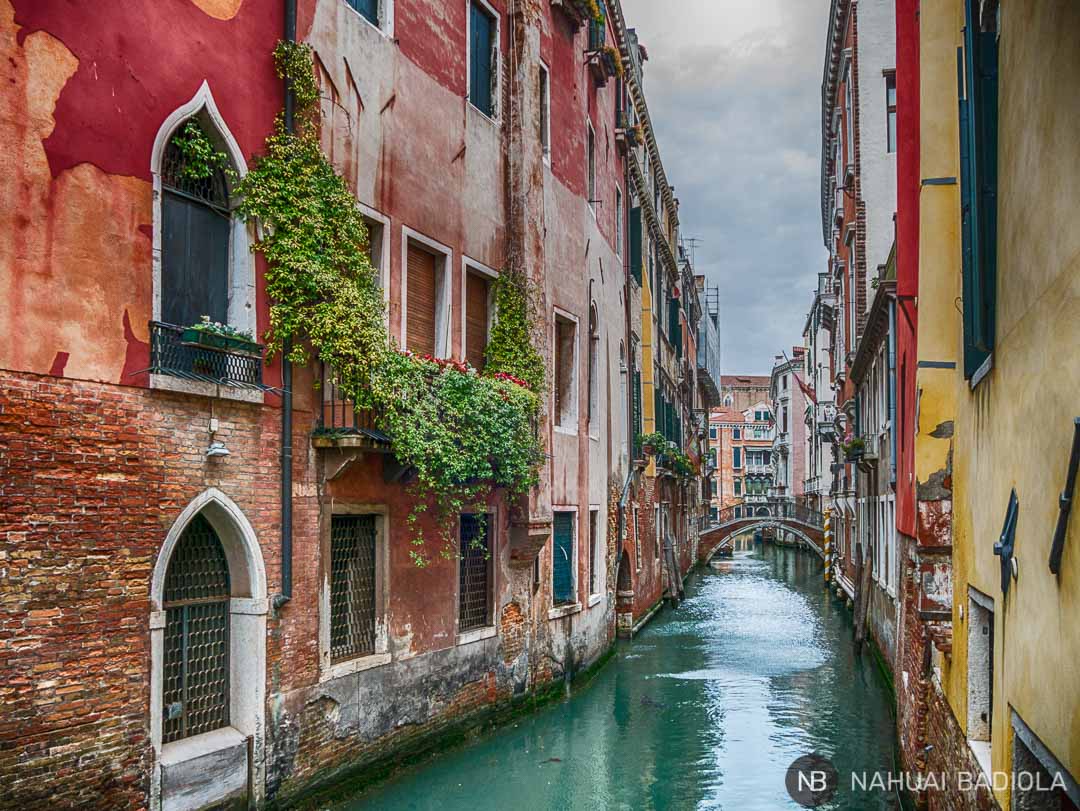
Moments like stepping out of a super narrow alley and spotting, across a tiny canal, a sunlit square where a marble church rises toward the sky like a cathedral—one you'd never even heard of. Or crossing a bridge and seeing ancient palazzos all around you, their colors faded by time, with tall windows and balconies that practically beg you to pause and take it all in.
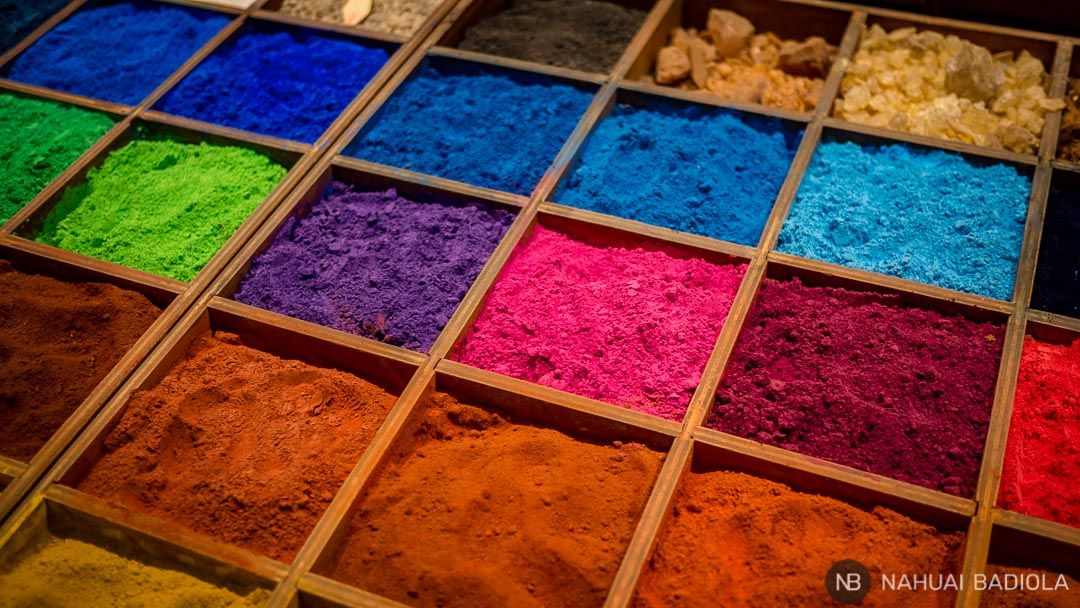
A few flowers here, some tapestries adorning the walls there, a gondolier steering a couple drifting away beneath the bridges ahead... Quirky little shops filled with curiosities, carnival masks, leather dyes, antique books... It all adds to the beauty and mystery of these streets. If I had to pick my favorite area, I'd say the Castello quartiere—far less crowded than the others and absolutely gorgeous.
In short, get lost and stumble upon wonders at every turn.
There are certain noteworthy or curious spots you might want to seek out. I've pinned the best ones on the map, and here are a few of them:
- St. Mark's Basilica. Admission is free. If you're carrying a backpack, you'll need to leave it in the cloakroom (check the map below for the location) before queuing up to get in. This service is free too. It's world-famous, but what you might not know is that, unless it's a special occasion, they turn on the interior lights at 11:30 AM. Standing inside its golden hall when that happens is completely worth it.
- Accademia Bridge. The perfect spot to catch the sunrise.
- Rialto Bridge and its views. Back in early 2016, the bridge was undergoing restoration, completely covered in plastic sheeting and scaffolding. Once the work is done, strolling along the banks of the Grand Canal to admire its beauty will once again be an absolute must.
- Ponte dei Pugni. On it, you'll notice tile footprints carved into the stone. These mark the spots where fighters from rival families positioned themselves before kicking off the bloody brawls that took place centuries ago. A floating fruit-and-veg gondola docks right next to it every day to sell its fresh produce.
- Libreria Acqua Alta. This quirky bookstore is packed to the brim with books in every genre imaginable, both new and secondhand. Many are stacked inside full-sized gondolas and bathtubs right inside the shop, because whenever the high tide rolls in, the place tends to flood. If you head all the way to the back, you'll step out onto a tiny courtyard where they've created a staircase using old, waterlogged books that can no longer be read. Climb up and enjoy the view!
- Ponte Chiodo. It's one of the very last bridges in Venice without parapets (guardrails). I found it totally charming.

If you have enough time (more than two days), you might want to visit other islands in the lagoon. A couple of notable ones are:
- Murano. This island is where the famous, exclusive Murano glass is crafted. You can join guided tours (transportation included) where master glassblowers demonstrate how they create their works of art. If you're planning to buy a Murano glass souvenir (they can be pretty pricey, by the way), watch out for knockoffs. Always look for the seal of authenticity.
- Burano. This is a fascinating island, bursting with brightly colored houses and insanely photogenic. It's a dream come true for any photographer, professional or amateur, on a sunny day.

If you've taken my advice and visit during winter, you should also know what to do in Venice when it rains. Here are my top recommendations:
- Duck into whatever cozy restaurant, bar, or café catches your eye. Order a hot cup of tea, a rich black coffee, or a glass of Veneto wine paired with a homemade plate of pasta or seafood risotto. Grab a table by the window and watch Venice in the rain. Take your time and unwind.
- Visit the dozens of churches, museums, palaces, and art galleries scattered across this wonderful city. If you love art, you're in for a treat! On this page, you'll find the main sights of this kind. I'm not totally convinced that getting a Venice Card or booking online is worth it during low season, since the lines aren't usually that long.
- Throw on your raincoat or pop open your umbrella, and get walking. The streets empty out, you can hear the gentle patter of rain on the canals, and the whole atmosphere transforms... Don't miss it!
Where to Eat
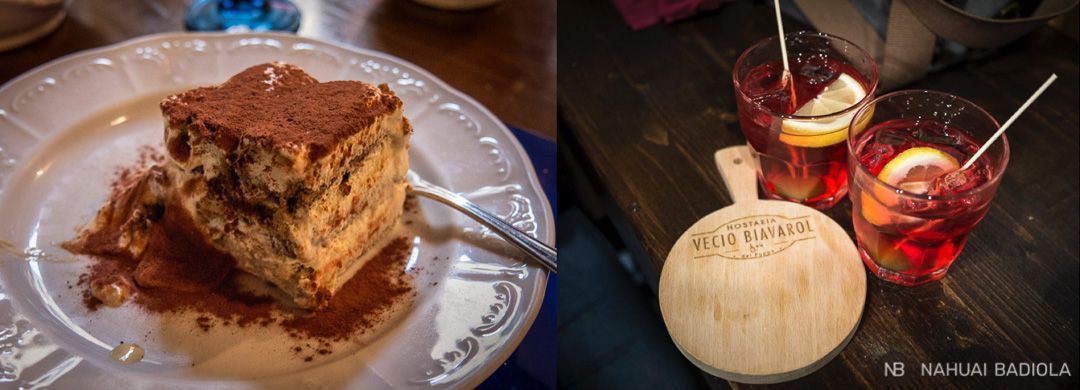
Did you know that the trendy Italian cocktail, the Spritz, actually originated in Venice? And did you have any idea that tiramisù is Venetian too? You simply can't leave town without trying both!
A hotspot famous for its to-go tiramisù is I Tre Mercanti (you'll find its location on the map at the end of this post). If you're in the neighborhood and craving something sweet... go for it!
Restaurant prices in Venice are on the higher side, but there are several handy tricks to keep your food budget in check.
For instance, when evening falls, you can make dinner out of cichetti—small bites similar to Spanish tapas or pinchos that cost between 1 and 2 euros each, perfect to wash down with a Spritz, a glass of wine, or a soft drink. Plenty of bars serve these delicious bites at dusk (usually from 6:30 PM to 8:00 PM).
In particular, I can't recommend Hostaria Vecio Biavorol enough. They use top-quality ingredients and come up with delicious, creative flavor pairings (pistachio pesto with mortadella, cheese with truffle sauce, gorgonzola with walnuts...), all at great prices. Plus, they mix a cheap and seriously tasty Spritz—I can vouch for that! Seating is limited (it's bar-stool only), so it's best to show up early. We had dinner there for €27 for the two of us, and we didn't hold back on anything.
At lunchtime, restaurants offer great value set menus, so you can take advantage of that to eat well and fill up for less. Seafood dishes are staples in this region, like pasta with clams or mussels (vongole and cozze in Italian), or seafood risotto.
The seafood risotto is out of this world at ai Barbacani, a gorgeous, cozy spot where the two of us ate for €62. If your budget allows, definitely don't skip their homemade tiramisù.

Budget
- Transportation: €112 for the round-trip train between Genoa and Venice (€56 per person).
- Accommodation: €92 thanks to the deal (€23 per person per night).
- Food: €164.60 (€41.15 per person per day).
In total, during our weekend for two in Venice, we spent €368.60; that's €92.20 per person per day.
Now all that's left is for you to discover this magical city for yourself!
If you've already been and I asked you for your absolute favorite spot, could you pick just one? Leave your thoughts in the comments below, I'd love to hear what you think!
Useful links
- Hotel Rio Venice.
- B&B Abatea.
- Other hotel deals in Venice.
- Flight search engines: Trabber, eDreams, Momondo, and Vueling.
- 5% discount on IATI insurance.
- Book guided activities in Venice.
You can read all about more dream destinations across Italy in other posts on this blog, like:
- A walk through Florence.
- Weekend in Rome.
- Road trip through Siena and the Val d’Orcia.
- San Galgano Abbey in Tuscany.
- Lake Como itinerary.
- Maremma Natural Park and its pristine beaches.
- Bologna, the city of porticoes.
- Road trip through Umbria, Tuscany's secret neighbor.
- The wonders of the Amalfi Coast.
- Discover the 5 Terre village by village.
And remember, if you have any questions or need extra details on anything I didn't cover, drop me a line—I'd be more than happy to help you out with whatever you need!
A fantastic article packed with all kinds of details to make traveling around Venice so much easier.
Thank you for the tips; I'll put all of this into practice in January and enjoy the trip!
I'm so glad this post was helpful, Conchi! I'm sure you're going to fall in love with Venice. It gets chilly in January, so bundle up and get ready to be amazed! 🙂
Warm hugs!
I love this post!! Taking note of the recommendations, thank you
Hi Irune! Thanks so much for your comment. Big hug and enjoy Venice in the low season! 😉
My husband and I are thinking of going, but we're on a tight budget. We want to go for a couple of days from Valencia, Spain.
Hi Amalia.
Most of the budget will go towards flights and accommodation. So, if you don't have much to spend, my advice is to keep an eye out for flight deals and stay in Mestre, which is a bit cheaper, as I mention in the article. Once there, you can eat on a budget (pizza al taglio, for example) and wandering around is free, plus... simply delightful! That said, if you want to ride a gondola, visit an island, or go into a museum, the costs will add up. Keep that in mind when doing your math. Best of luck and enjoy Venice!
Amalia, I've updated the post with a new section: Budget.
In it, I share how much we spent during our low-season weekend in Venice to give you an idea. As you can see, and just like I mentioned, a big part of the cost will depend on flights and accommodation. Hope it helps!
hi celi if the acqua alta rises there's nothing else to do but wear rubber boots i have a pair that goes all the way up my leg so you get better protection when walking. excellent blog cheers
Hi Carlos! Thanks so much for your comment. You're totally right, rubber boots that cover the whole leg are definitely the best option for walking around Venice during acqua alta. I imagine few visitors pack that kind of footwear in their luggage (at least I didn't!). But if you're lucky enough to live in that wonderful city, they must be an absolute must. Thanks a lot for your great tip! Big hug. Celi.
Awesome post!!! The photos are simply stunning!!
Thanks, Shell! Venice was truly photogenic that weekend, and the photographer traveling with me… is an absolute pro! Big hug.